Simple Daily Habits That Lower Bacteria and Keep Food Prep Areas Safer
Effective kitchen cleaning to reduce germs and bacteria starts with daily habits and the right order of tasks. You need to remove food spills fast, disinfect high-touch spots, and separate raw foods from ready-to-eat items. When you follow a clear routine, you lower the spread of harmful bacteria and make your home safer for everyone.
What You Need Before Starting
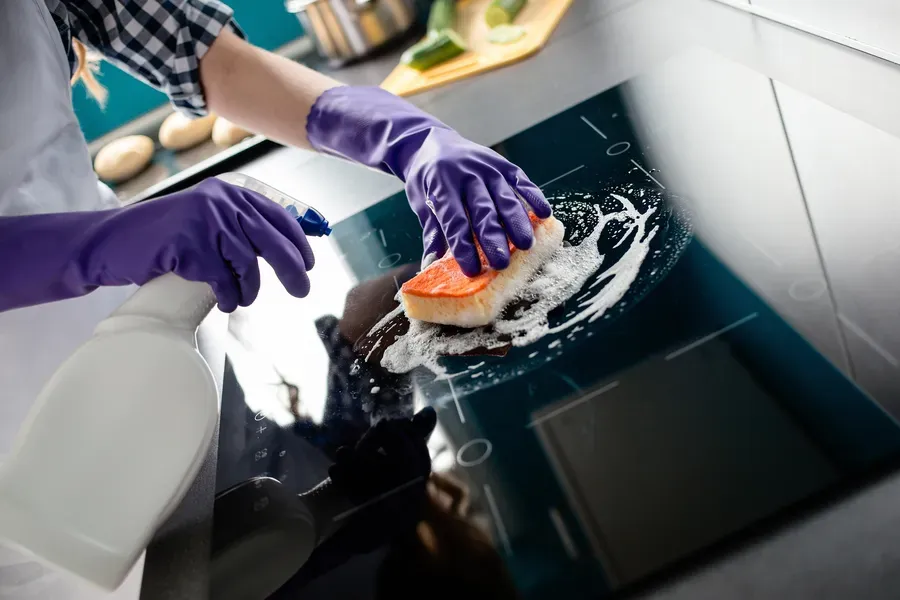
Before you begin kitchen cleaning, gather the right tools. Using clean supplies is just as important as cleaning the space itself. Dirty sponges can spread germs instead of removing them.
- Microfiber cloths or disposable paper towels
- Mild dish soap
- EPA-approved disinfectant spray or wipes
- Scrub brush for sinks and grout
- Mop and bucket for floors
- Gloves to protect your hands
Keep separate cloths for counters and floors. This simple step cuts down cross-contamination. If you run a small office kitchen or manage a shared cooking space, this also supports your ongoing cleaning services routine.
Step-by-Step Process for Safer Results
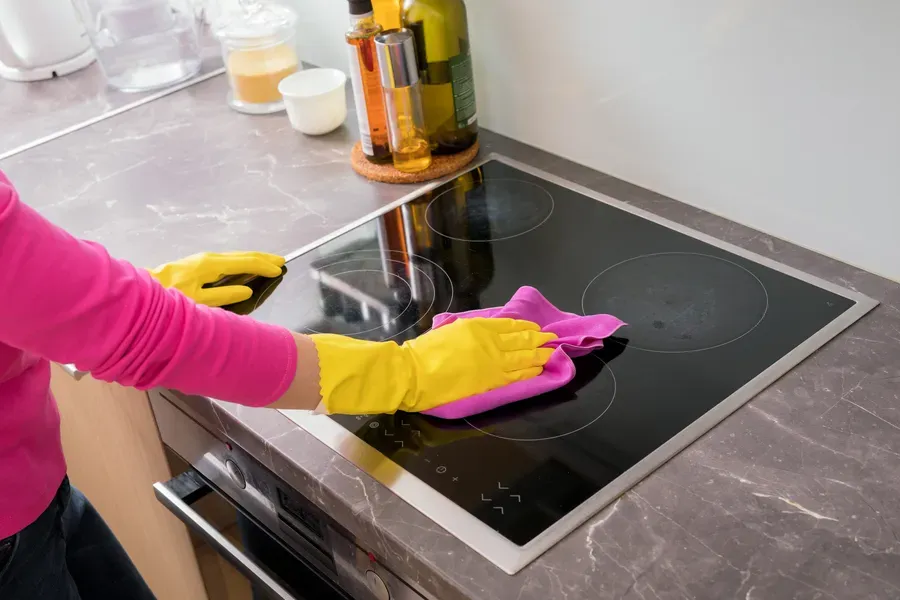
Follow this order during kitchen cleaning to reduce germs the right way. Cleaning first and disinfecting second is key.
- Clear surfaces. Remove dishes, food, and small appliances from counters.
- Wash with soap. Wipe counters, stovetops, and tables with warm soapy water to remove grease and crumbs.
- Rinse and dry. Use a clean damp cloth, then dry with a fresh towel.
- Disinfect. Spray disinfectant on high-touch areas like handles, light switches, and faucets. Let it sit for the time listed on the label.
- Clean the sink. Scrub the basin and faucet. Rinse well, then disinfect.
- Mop the floor. Start in the far corner and work toward the exit.
Do not forget cutting boards. Wash them after each use, especially after raw meat. If possible, use one board for meat and another for produce.
Common Mistakes to Avoid
Many people rush through kitchen cleaning and miss spots where germs grow. Here are common problems:
- Using the same sponge for a week or more
- Spraying disinfectant but wiping it off too soon
- Skipping cabinet handles and fridge doors
- Cleaning around appliances but not behind them
Another mistake is mixing cleaners. This can create harmful fumes. Always read labels and never combine products unless directions say it is safe.
When to Call a Professional
Sometimes regular kitchen cleaning is not enough. If you notice strong odors, sticky buildup that will not come off, or signs of mold under the sink, it may be time for expert help. Commercial kitchens, rental properties, and homes after illness also benefit from deep sanitizing.
Professional teams use stronger equipment and follow detailed cleaning services checklists. They reach hidden spots like vents, drain lines, and areas behind large appliances. This level of detail helps reduce bacteria that basic wiping can miss.
Final Recommendation and Next Steps
Staying on top of kitchen cleaning each day makes a big difference over time. Small tasks, like wiping counters after meals and taking trash out nightly, stop germs before they spread. For deeper support in Brook Park, OH, we can help create a plan that fits your schedule. At Maria's Helping Hands Cleaning Service, we handle detailed sanitation for homes and shared spaces. Call us at (216) 385-2494 to set up a thorough kitchen assessment or book a professional cleaning. We are ready to help you protect your space and maintain a healthier environment for everyone.